Proper waste disposal plays a crucial role in ensuring sanitation in modern-day urban and industrial surroundings. Whichever setting one operates, whether it is at home, in offices, shopping malls, hospitals, factories, or even public parks, having the appropriate container for disposing of garbage is a crucial first step towards ensuring hygiene and cleanliness. These garbage containers could be as small as dustbins in your kitchen and as large as dumpsters in commercial establishments.
At Engitech Enviro, we recognize the significance of waste collection systems in our environment. This complete guide seeks to enlighten newbies about what garbage containers are, their types, uses, applications, and how to select the most appropriate waste disposal system for various purposes.
What is a Garbage Container?
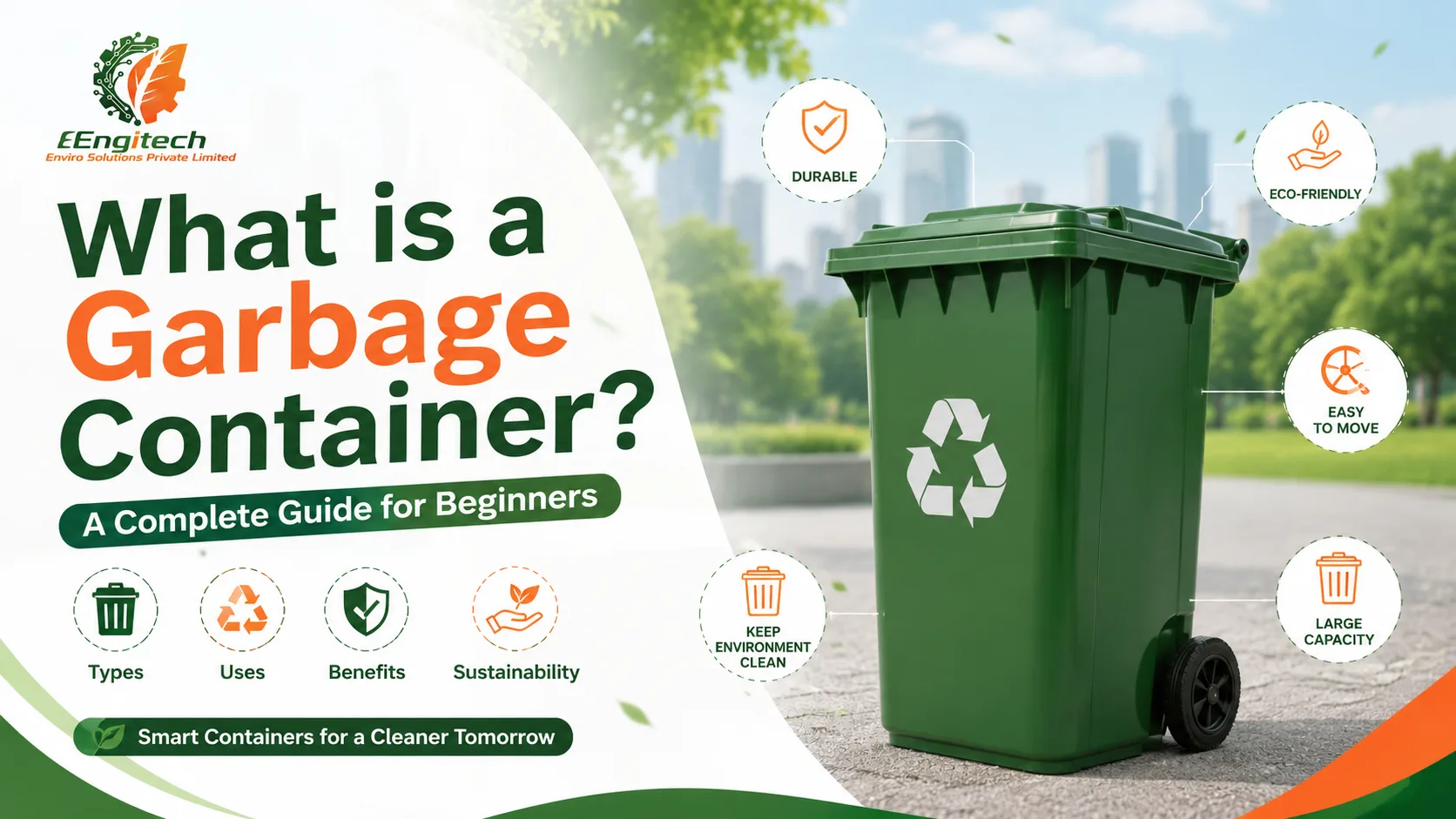
A garbage receptacle is a special receptacle used for gathering, storing, and transporting refuse materials that need to undergo recycling, processing, or disposal at a later time. It can also be called a garbage can, garbage bin, trash can,** trash dumpster, bak sampah**, or tempat sampah.
Many different types of garbage receptacles vary in size, material, and design. The purpose of these receptacles is to discourage littering, control pollution, and ensure sanitation.
If garbage receptacles are not present, refuse materials will pile up in areas where they should not be.
What is a Trash Can?
**A trash can, which is also known as a **garbage bin, is used as a receptacle for storing waste before its disposal, recycling, or further processing. A trash can plays a vital role in ensuring cleanliness in places such as houses, offices, public areas, and factories, as they act as receptacles for waste.
There are several types of trash cans depending on material, size, and other factors that determine how they may be applied in waste management.
Why Are Garbage Containers Important?
Garbage containers are much more than storage units for waste. They are essential tools for maintaining cleanliness and supporting sustainable waste management practices.
Some key benefits include:
- Keeping homes and workplaces clean
- Preventing the spread of bacteria and diseases
- Supporting recycling and waste segregation
- Controlling unpleasant odors
- Reducing environmental pollution
- Improving public hygiene
- Enhancing the appearance of commercial and residential spaces
A well-designed waste collection system begins with selecting the right garbage container for the job.
Fungsi Tempat Sampah (Functions of Garbage Containers)
The term fungsi tempat sampah refers to the primary functions of a garbage bin. These functions are essential for maintaining a clean and organized environment.
Waste Collection
The primary role of any garbage container is to collect waste safely and efficiently.
Waste Segregation
Separate bins help classify recyclable, organic, and non-recyclable waste.
Hygiene Maintenance
Garbage bins reduce direct contact with waste and help maintain sanitary conditions.
Environmental Protection
Proper waste containment prevents pollution of soil, water, and air.
Pest Control
Covered bins prevent rodents, insects, and animals from accessing waste.
Odor Management
Modern garbage containers with lids help contain unpleasant smells.
Types of Garbage Bins
There are several types of garbage bins designed for different environments and waste disposal requirements.
1. Plastic Garbage Bins
Tempat sampah plastik is among the most popular waste collection solutions worldwide. These bins are lightweight, durable, and resistant to corrosion.
Benefits include:
- Affordable pricing
- Easy handling
- Weather resistance
- Low maintenance
Applications include homes, offices, schools, and healthcare facilities.
2. Stainless Steel Trash Can
A stainless steel trash can offers a premium appearance and exceptional durability. These bins are commonly found in hotels, hospitals, airports, restaurants, and commercial buildings.
Advantages include:
- Corrosion resistance
- Modern appearance
- Easy cleaning
- Long lifespan
Stainless steel bins are ideal for environments where aesthetics and hygiene are equally important.
3. Covered Garbage Bins
A tempat sampah tutup is equipped with a lid that helps contain odors and improve sanitation.
Key benefits:
- Prevents insect infestation
- Reduces odor emissions
- Protects waste from rainwater
- Enhances cleanliness
These bins are commonly used in kitchens, food processing units, hospitals, and public areas.
4. Outdoor Garbage Can
An outdoor garbage can is specifically designed for outdoor environments where exposure to sunlight, rain, dust, and temperature fluctuations is common.
Common locations include:
- Parks
- Streets
- Shopping centers
- Residential communities
- Public transportation hubs
Outdoor garbage cans are typically made from durable plastic or metal materials that can withstand harsh weather conditions.
5. Commercial Trash Cans
Commercial trash cans are designed for businesses, institutions, and high-traffic areas that generate large volumes of waste.
Applications include:
- Office buildings
- Shopping malls
- Educational institutions
- Airports
- Hotels
- Restaurants
These containers are larger, more durable, and often feature advanced waste segregation systems.
6. Wheeled Garbage Bins
Wheeled bins provide easy mobility and are widely used for municipal waste collection.
Advantages:
- Easy transportation
- Large capacity
- Convenient handling
- Suitable for residential and commercial applications
Different Types of Trash Bins Based on Waste Categories
Understanding the different types of trash bins helps improve waste segregation and recycling efficiency.
Green Bin
Used for biodegradable waste such as food scraps and garden waste.
Blue Bin
Designed for recyclable materials like paper, cardboard, and plastic.
Yellow Bin
Used for medical and hazardous waste.
Red Bin
Suitable for contaminated waste materials.
Black Bin
Used for general household waste and non-recyclable materials.
Color-coded systems simplify waste management and encourage responsible disposal practices.
Dumpsters and Large Waste Containers
For large-scale waste disposal, dumpsters are often the preferred solution.
A dumpster is a large waste container designed to hold substantial quantities of garbage, construction debris, industrial waste, or commercial refuse.
Common Types of Dumpsters
Front-Load Dumpsters
Typically used by businesses and commercial establishments.
Rear-Load Dumpsters
Suitable for restaurants, apartment complexes, and retail outlets.
Roll-Off Dumpsters
Used for construction projects, renovations, and industrial waste disposal.
These large containers help streamline waste collection and transportation processes.
What is a Waste Management Dumpster?
A waste management dumpster is a specialized, large-capacity container designed to handle significant volumes of waste generated by commercial, industrial, and municipal operations.
Benefits include:
- Efficient waste storage
- Reduced collection frequency
- Improved site cleanliness
- Enhanced operational efficiency
Waste management dumpsters are commonly used at construction sites, manufacturing facilities, shopping complexes, and public infrastructure projects.
What is a Requirement for an Outdoor Garbage Bin?
Many people ask, ” What** is a requirement for an outdoor garbage bin?**
An effective outdoor garbage container should possess several important features:
Weather Resistance
The bin must withstand rain, sunlight, wind, and temperature changes.
Durable Construction
Strong materials such as HDPE plastic or galvanized steel ensure long-term durability.
Secure Lid
A tightly fitted lid helps prevent odor leakage and pest access.
Large Capacity
Outdoor bins should accommodate expected waste volumes without frequent emptying.
Easy Maintenance
Smooth surfaces make cleaning and sanitization easier.
Mobility
Handles and wheels improve transportation efficiency.
UV Protection
UV-resistant materials prevent cracking and fading caused by prolonged sun exposure.
Meeting these requirements ensures reliable outdoor waste management performance.
Materials Used in Garbage Containers
Modern garbage containers are manufactured using several materials:
High-Density Polyethylene (HDPE)
- Lightweight
- Durable
- Recyclable
- Weather-resistant
Polypropylene (PP)
- Strong
- Flexible
- Chemical resistant
Stainless Steel
- Hygienic
- Premium appearance
- Corrosion resistant
Galvanized Steel
- Heavy-duty construction
- Suitable for industrial environments
Each material offers unique advantages depending on the intended application.
Applications of Garbage Containers
Garbage containers are used across numerous industries and environments.
Residential Areas
For daily household waste collection.
Commercial Buildings
Supporting efficient waste disposal in offices and retail spaces.
Educational Institutions
Promoting cleanliness and recycling initiatives.
Hospitals
Facilitating safe disposal of medical waste.
Manufacturing Facilities
Managing industrial waste streams effectively.
Public Infrastructure
Maintaining cleanliness in parks, streets, and transportation hubs.
How to Choose the Right Garbage Bin
When selecting a garbage container, consider the following factors:
Waste Volume
Estimate daily waste generation requirements.
Indoor or Outdoor Usage
Choose materials suitable for the intended environment.
Type of Waste
Select containers based on recyclable, organic, or hazardous waste categories.
Durability
Invest in high-quality materials for long-term performance.
Maintenance Requirements
Look for designs that are easy to clean and sanitize.
Budget
Balance cost with durability and functionality.
Choosing the right garbage bin can significantly improve waste management efficiency and reduce operational costs.
Future Trends in Waste Management
The waste management industry is rapidly evolving with smart technologies and sustainable solutions.
Modern garbage containers now feature:
- Sensor-based fill level monitoring
- Contactless operation
- Smart waste segregation systems
- Solar-powered compactors
- Data-driven collection scheduling
These innovations help cities and businesses improve waste management efficiency while reducing environmental impact.
Conclusion
Garbage bins are a crucial part of waste management practices. It can either be a simple trash can, a sturdy garbage can, a huge trash dumpster, or a particular type of waste management dumpster, and all of them serve their purpose effectively in helping to keep things clean and sustainably managed.
Knowledge of the various garbage cans, different types of trash bins, as well as the fungsi tempat sampah can go a long way towards helping one select the best waste collection practice. Also, knowledge of what constitutes a good outdoor garbage bin is key to ensuring a lasting waste management process.
Engitech Eniro believes that the key to effective waste management is in the choice of the right garbage bin. We help our clients in this by providing them with the highest standards of waste management systems available today.