Introduction to Solid Waste Management
Every single day, countless millions of tons of waste are generated from homes, industrial units, hospitals, commercial complexes, schools, and construction sites. As more people move into urban areas and the pace of industrialization picks up speed, there has been an exponential increase in the quantity of waste that is being produced by the population. However, much of this waste ends up being disposed of improperly, resulting in overflowing landfills, environmental pollution, groundwater contamination, release of greenhouse gases, and health risks for humans. Managing the problem has become as much about properly collecting this waste as about making sense of it.
That is where the need for proper solid waste management comes into play and becomes one of the most essential components of environmental conservation today. A well-designed solid waste management system does not just help reduce pollution but also conserves the use of natural resources, aids recycling, helps generate energy, and decreases the strain on landfills. Many governments, municipalities, industries, and environmental groups have been investing heavily in the technology required to convert waste into resources.
Engitech Enviro believes that proper waste management begins with the right technology, strategic planning, and an engineering solution to the problem. With industries and municipalities facing the task of meeting environmental requirements and improving their efficiency, modern waste management equipment has become crucial for the successful realization of sustainable goals for every company. No matter whether waste is collected, segregated, recycled, turned into compost, or used as a source of energy, each step of the waste management process is essential for protecting the environment and saving resources.
The guide will cover such issues as what is solid waste management meaning and its definition, methods of solid waste management, waste disposal, recycling, the main problems and environmental advantages of modern waste management practices, and solutions implemented by companies and municipalities. This information will be interesting not only for an environmental engineer or industrial buyer but for any person who wants to learn more about waste management benefits and possibilities.
What is Solid Waste Management?
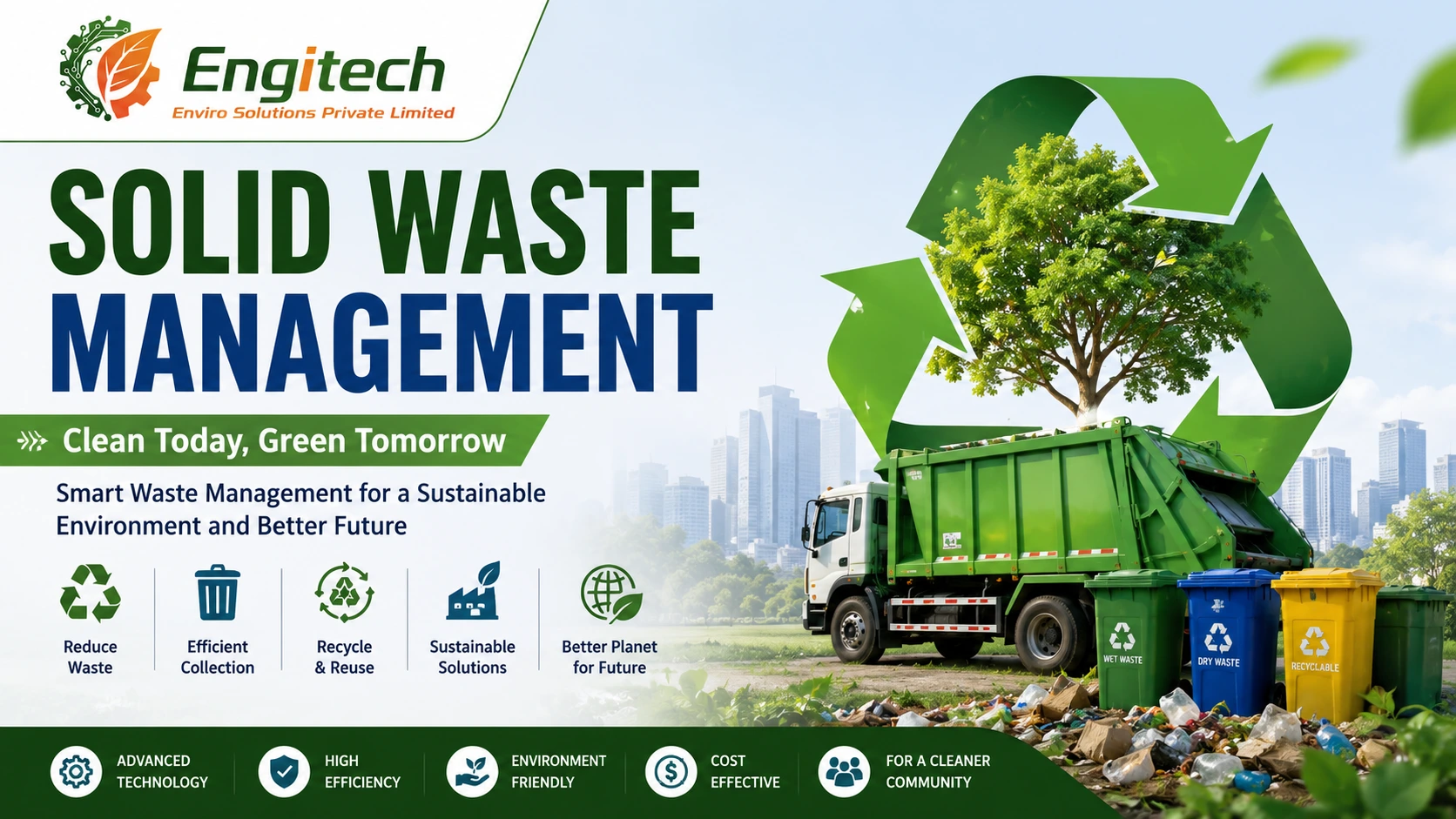
Solid Waste Management is defined as the systematic process of collection, transportation, segregation, treatment, recycling and disposal of solid waste from residential, commercial, industrial, institutional, agricultural, and construction sources. The ultimate goal of solid waste management is to reduce environmental pollution along with maximizing the potential for reuse or recycling.
To put it in simple terms, what is Solid Waste Management? Solid Waste Management involves the proper handling of waste in a manner that ensures protection of human life, conservation of natural resources, reduction of landfill reliance, and environmental sustainability.
Present-day waste management has evolved beyond mere disposal of waste. Modern waste management practices include converting waste into resources through recycling, composting, waste-to-energy processes, and resource recovery systems.
Solid Waste Management Meaning
The solid waste management meaning extends beyond waste collection and disposal. It represents a comprehensive environmental strategy that ensures waste is handled responsibly throughout its entire lifecycle.
A successful waste management system includes:
- Waste generation assessment
- Collection and transportation
- Waste segregation
- Material recovery
- Recycling
- Composting
- Energy recovery
- Scientific disposal of residual waste
This integrated approach helps reduce environmental damage while creating economic opportunities through the recovery of valuable materials.
Solid Waste Management Definition
The solid waste management definition can be described as:
“The organized process of collecting, transporting, segregating, treating, recycling, recovering, and disposing of solid waste in an environmentally safe, economically viable, and socially responsible manner.”
This definition highlights that effective waste management is not merely about eliminating waste but about managing resources efficiently while protecting ecosystems and human health.
Why Solid Waste Management is Important
Rapid urbanization, industrial development, and population growth have dramatically increased the volume of waste generated worldwide. Without proper management, waste can create severe environmental, economic, and social challenges.
Effective waste management helps in:
- Reducing environmental pollution
- Preventing groundwater contamination
- Minimizing greenhouse gas emissions
- Conserving natural resources
- Supporting recycling industries
- Improving public hygiene
- Creating employment opportunities
- Enhancing energy recovery
- Promoting sustainable development
- Reducing landfill dependency
For municipalities and industries, efficient waste management also improves operational efficiency and ensures compliance with environmental regulations.
Types of Solid Waste
Understanding the different types of waste is essential before selecting the appropriate treatment or disposal method.
1. Municipal Solid Waste
Municipal solid waste includes household garbage, food waste, plastics, paper, cardboard, textiles, packaging materials, and garden waste generated from residential and commercial areas.
2. Industrial Waste
Industrial waste consists of manufacturing by-products, packaging materials, rubber, metals, chemicals, plastics, wood, and production residues generated during industrial processes.
3. Construction and Demolition Waste
Construction waste includes concrete, bricks, gypsum boards, wood, steel, tiles, insulation materials, and other debris produced during construction and demolition activities.
4. Agricultural Waste
Agricultural waste includes crop residues, animal manure, biomass, leaves, straw, husks, and organic farming waste.
5. Biomedical Waste
Hospitals, clinics, laboratories, and healthcare facilities generate biomedical waste that requires specialized treatment and disposal to prevent disease transmission.
6. Electronic Waste (E-Waste)
Electronic waste includes discarded computers, televisions, mobile phones, batteries, cables, circuit boards, and electrical appliances containing recyclable and hazardous materials.
Sources of Solid Waste
Solid waste originates from multiple sectors of society, making effective collection and processing systems essential.
Residential Areas
Household waste includes food scraps, paper, plastics, glass, clothing, packaging materials, and garden waste.
Commercial Establishments
Shopping malls, offices, hotels, restaurants, and retail stores generate packaging waste, cardboard, plastic containers, and food waste.
Industrial Facilities
Factories produce manufacturing residues, scrap materials, plastic waste, wooden pallets, rubber products, and industrial packaging.
Educational Institutions
Schools, colleges, and universities generate paper waste, food waste, stationery, and electronic waste.
Healthcare Facilities
Hospitals produce infectious waste, disposable medical equipment, pharmaceutical waste, and laboratory waste requiring careful handling.
Objectives of Solid Waste Management
An efficient waste management system is designed to achieve several environmental and economic objectives.
Protect Public Health
Proper waste handling prevents the spread of diseases, reduces foul odors, and minimizes pest infestations.
Reduce Environmental Pollution
Scientific waste processing limits soil contamination, water pollution, and harmful emissions.
Maximize Recycling
Recovering valuable materials reduces the demand for virgin raw materials while conserving natural resources.
Support Circular Economy
Waste materials are converted into reusable products, compost, recycled materials, or alternative fuels.
Reduce Landfill Dependency
Only non-recyclable waste should reach landfills, extending landfill lifespan and reducing environmental impact.
Key Components of an Effective Solid Waste Management System
Modern waste management relies on several interconnected processes that ensure efficient handling of waste from generation to final disposal.
Waste Generation
The first stage involves identifying the quantity and type of waste produced by households, industries, and commercial establishments.
Waste Segregation
Waste is separated into biodegradable, recyclable, hazardous, and non-recyclable categories at the source to improve processing efficiency.
Collection
Organized collection systems ensure timely transportation of waste from generation points to processing facilities.
Transportation
Specialized vehicles transport segregated waste safely while preventing littering and environmental contamination.
Processing
Waste undergoes sorting, shredding, composting, recycling, or energy recovery depending on its composition.
Final Disposal
Only residual waste that cannot be recycled or recovered is disposed of in scientifically engineered sanitary landfills.
Role of Recycling in Modern Waste Management
Recycling has become one of the most effective strategies for reducing waste and conserving natural resources. Instead of extracting new raw materials, recyclable waste is processed into new products, reducing energy consumption and environmental impact.
Common recyclable materials include:
- Paper
- Cardboard
- Plastics
- Glass
- Aluminium
- Steel
- Rubber
- Textiles
- Electronic components
Recycling not only conserves resources but also creates employment opportunities and supports sustainable industrial growth.
Common Challenges in Solid Waste Management
Despite technological advancements, waste management systems continue to face several practical challenges.
- Rapid population growth and increasing waste generation.
- Poor waste segregation at the source.
- Limited public awareness regarding recycling.
- Rising landfill shortages in urban areas.
- High operational and transportation costs.
- Illegal dumping and open burning of waste.
- Inadequate recycling infrastructure in developing regions.
- Increasing plastic and electronic waste generation.
Overcoming these challenges requires advanced machinery, government support, public participation, and continuous investment in sustainable waste management technologies.
Methods of Solid Waste Management
A good solid waste management program requires proper selection of the appropriate technology for the type and amount of waste being produced. The modern approach to managing waste involves employing various methods aimed at recycling, minimizing landfill use, and recovering useful components from the waste. All these methods play an important part in ensuring that the impact on the environment is minimized.
1. Waste Segregation
Waste segregation is the foundation of every successful waste management system. It involves separating waste into different categories at the source before collection.
Common categories include:
- Biodegradable Waste
- Recyclable Waste
- Non-Recyclable Waste
- Hazardous Waste
- Electronic Waste
Proper segregation improves recycling efficiency, reduces contamination, lowers processing costs, and increases the recovery of reusable materials.
2. Recycling
Recycling is one of the most sustainable methods of waste management. Instead of sending waste to landfills, recyclable materials are collected, processed, and converted into new products.
Materials commonly recycled include:
- Paper
- Plastic
- Glass
- Steel
- Aluminum
- Rubber
- Textiles
Benefits of Recycling
- Conserves natural resources
- Reduces landfill waste
- Saves energy
- Lowers greenhouse gas emissions
- Creates employment opportunities
- Supports the circular economy
3. Composting
Composting is a biological process in which microorganisms convert biodegradable waste into nutrient-rich compost.
Organic waste suitable for composting includes:
- Food waste
- Vegetable peels
- Garden waste
- Leaves
- Agricultural residues
The compost produced improves soil fertility while reducing chemical fertilizer usage.
4. Waste-to-Energy (WTE)
Waste-to-Energy technology converts non-recyclable waste into electricity or heat through controlled thermal treatment.
Benefits include:
- Reduced landfill dependency
- Renewable energy generation
- Lower methane emissions
- Efficient waste volume reduction
Many modern cities now integrate Waste-to-Energy plants into their waste management infrastructure.
5. Sanitary Landfilling
Although recycling is preferred, certain waste cannot be recovered. Scientifically engineered sanitary landfills provide a safe solution for final disposal.
Modern landfills include:
- Leachate collection systems
- Gas recovery systems
- Waterproof liners
- Environmental monitoring
These features significantly reduce environmental contamination compared to traditional dumping methods.
6. Incineration
Incineration involves burning waste at high temperatures under controlled conditions.
It helps:
- Reduce waste volume by up to 90%
- Destroy harmful pathogens
- Generate thermal energy
- Minimize landfill usage
This method is commonly used for biomedical and hazardous waste.
7. Mechanical Waste Processing
Modern facilities use advanced machines such as:
- Shredders
- Crushers
- Trommel Screens
- Air Classifiers
- Magnetic Separators
- Conveyors
These systems improve sorting efficiency and maximize recyclable material recovery.
Solid Waste Disposal Methods
Proper solid waste disposal is essential for protecting human health and the environment. The choice of disposal method depends on waste characteristics, environmental regulations, and available infrastructure.
The most widely used disposal methods include:
- Recycling
- Composting
- Waste-to-Energy
- Incineration
- Sanitary Landfills
- Mechanical Processing
- Resource Recovery Systems
An integrated approach that combines these techniques provides the most sustainable solution for long-term waste management.
Technical Specification Table (Typical Waste Processing Equipment)
| Specification | Details |
|---|---|
| Machine Type | Solid Waste Management Machine |
| Processing Capacity | 500 Kg/Hr – 25 Tons/Hr |
| Motor Power | 15 HP – 300 HP |
| Operating Voltage | 415V, 3 Phase, 50 Hz |
| Material Handling | Municipal & Industrial Waste |
| Feeding System | Manual / Conveyor |
| Automation | PLC Based Control Panel |
| Construction Material | Heavy-Duty Mild Steel |
| Safety Features | Emergency Stop, Overload Protection |
| Applications | Recycling, Composting, Waste-to-Energy, Material Recovery |
Benefits of Solid Waste Management
An efficient solid waste management system provides significant environmental, economic, and social benefits.
Environmental Benefits
- Reduces pollution
- Conserves natural resources
- Minimizes landfill usage
- Protects groundwater
- Improves air quality
- Reduces greenhouse gas emissions
Economic Benefits
- Creates employment
- Reduces waste transportation costs
- Generates revenue from recycled materials
- Supports green industries
- Improves operational efficiency
Social Benefits
- Cleaner cities
- Better public health
- Improved sanitation
- Higher quality of life
- Increased environmental awareness
Common Challenges in Solid Waste Management
Even with modern technologies, several challenges continue to affect waste management systems.
Increasing Waste Generation
Rapid urbanization and industrialization have significantly increased daily waste production.
Solution
Invest in advanced waste processing infrastructure and promote waste reduction initiatives.
Poor Source Segregation
Mixed waste reduces recycling efficiency and increases processing costs.
Solution
Encourage households and businesses to segregate waste at the source through awareness campaigns and policy enforcement.
Limited Recycling Infrastructure
Many developing regions still lack adequate recycling facilities.
Solution
Expand recycling plants and encourage public-private partnerships.
High Operational Costs
Waste collection and transportation account for a major portion of waste management expenses.
Solution
Use smart routing systems, automated equipment, and optimized logistics.
Public Awareness
Many people remain unaware of proper waste disposal practices.
Solution
Conduct educational campaigns in schools, industries, and communities to encourage responsible waste management.
Solid Waste Management Project
A solid waste management project aims to create an integrated system for collecting, processing, recycling, and disposing of waste efficiently while minimizing environmental impact.
A typical project includes:
- Waste generation assessment
- Source segregation planning
- Collection and transportation systems
- Material Recovery Facility (MRF)
- Composting units
- Recycling plants
- Waste-to-Energy systems
- Scientific landfill development
- Environmental monitoring
- Community awareness programs
Such projects play a vital role in achieving sustainable urban development and improving public health.
Future of Solid Waste Management
The future of waste management lies in smart technologies, automation, and resource recovery.
Emerging trends include:
- AI-based waste sorting
- Smart waste bins
- IoT-enabled collection systems
- Robotic recycling
- Waste-to-hydrogen technologies
- Advanced Material Recovery Facilities
- Circular economy initiatives
- Zero Waste programs
These innovations will help industries and municipalities achieve higher recycling rates while reducing environmental impact.
Why Choose Engitech Enviro?
At Engitech Enviro, we are dedicated to providing you with cutting-edge, environmentally-friendly waste management systems that will assist industries, municipalities, and recycling centers in being more efficient and environmentally-conscious.
Our systems are engineered using state-of-the-art technology, sturdy build quality, and advanced automation technology to cater to the demands of the modern waste processing industry. No matter what your requirement for waste separation, recycling, composting, shredding, or material recovery is, we have you covered.
Why Customers Choose Engitech Enviro
- Advanced engineering solutions
- High-performance waste processing equipment
- Energy-efficient technology
- Heavy-duty industrial construction
- Custom-designed systems
- Low maintenance requirements
- Reliable after-sales support
- Compliance with environmental standards
- Cost-effective solutions
- Focus on sustainability and innovation
Our mission is to help organizations transform waste into valuable resources while contributing to a cleaner, greener, and more sustainable future.
Conclusion
With the continued increase in the production of waste globally, it has become imperative that an efficient system of solid waste management be adopted for sustainable development. Not only does effective collection, segregation, recycling, treatment, and scientific disposal of solid waste help in environmental protection, but it also helps in conservation of valuable resources and improved public health.
An understanding of the meaning of solid waste management, selection of appropriate methods of solid waste management, and adoption of advanced methods of waste management allow industries and municipalities to cut down on their dependence on landfills and make good use of valuable materials in a circular economy manner.
Engitech Enviro, with its latest technologies and best-in-class waste processing solutions, is dedicated to assisting companies in ensuring efficient operations with minimal wastage and environmental sustainability.
Frequently Asked Questions (FAQs)
1. What is solid waste management?
Solid waste management is the systematic process of collecting, segregating, transporting, recycling, treating, and safely disposing of solid waste to protect the environment and public health.
2. What are the main methods of solid waste management?
The primary methods include waste segregation, recycling, composting, waste-to-energy, incineration, sanitary landfilling, and mechanical waste processing.
3. Why is recycling important in solid waste management?
Recycling conserves natural resources, reduces landfill waste, lowers energy consumption, minimizes pollution, and supports a circular economy by converting waste into reusable materials.
4. What is the objective of a solid waste management project?
A solid waste management project aims to establish an efficient system for waste collection, segregation, recycling, treatment, and safe disposal while reducing environmental impact and promoting sustainability.
5. How does Engitech Enviro support sustainable waste management?
Engitech Enviro provides advanced waste processing equipment and customized solutions for recycling, shredding, composting, and material recovery, helping industries and municipalities improve efficiency, reduce waste, and achieve long-term environmental goals.