India is home to some of the fastest-growing economies in the world; however, with increased urbanization, industrialization, and a growing population comes another problem: the problem of managing the waste generated. In today’s world, knowing what is waste management and its proper importance is has become extremely critical. The Proper Importance of Waste Management is very crucial from the point of view of cleanliness, public health, natural resource conservation, and environmental sustainability.
The importance of knowing what is waste management at Engitech Enviro has become even more prominent as there have been increased efforts towards waste management in India. With the increased focus on waste management in India comes an urgent need to understand what is waste management.
This guide covers everything related to what is waste management, the types of waste management, the need for waste management, and the importance of waste management in India.
What is Waste Management?
In order to appreciate the significance of waste management, one must seek to understand the following query: what is waste management?
Quite simply, what is waste management can be described as the process whereby waste is collected, transported, processed, recycled, treated and disposed off in an environmentally friendly manner. Waste management today entails reducing the volume of waste produced, recycling waste and recovering materials from waste.
By understanding what is waste management, individuals will be better informed about the significance of being environmentally conscious. Proper waste management ensures that the process is efficient while minimizing any form of pollution and resource wastage.
What is waste management has become an increasingly complex process that extends beyond merely disposing of waste into becoming environmentally sustainable and efficient.
Waste Management in India: Current Scenario
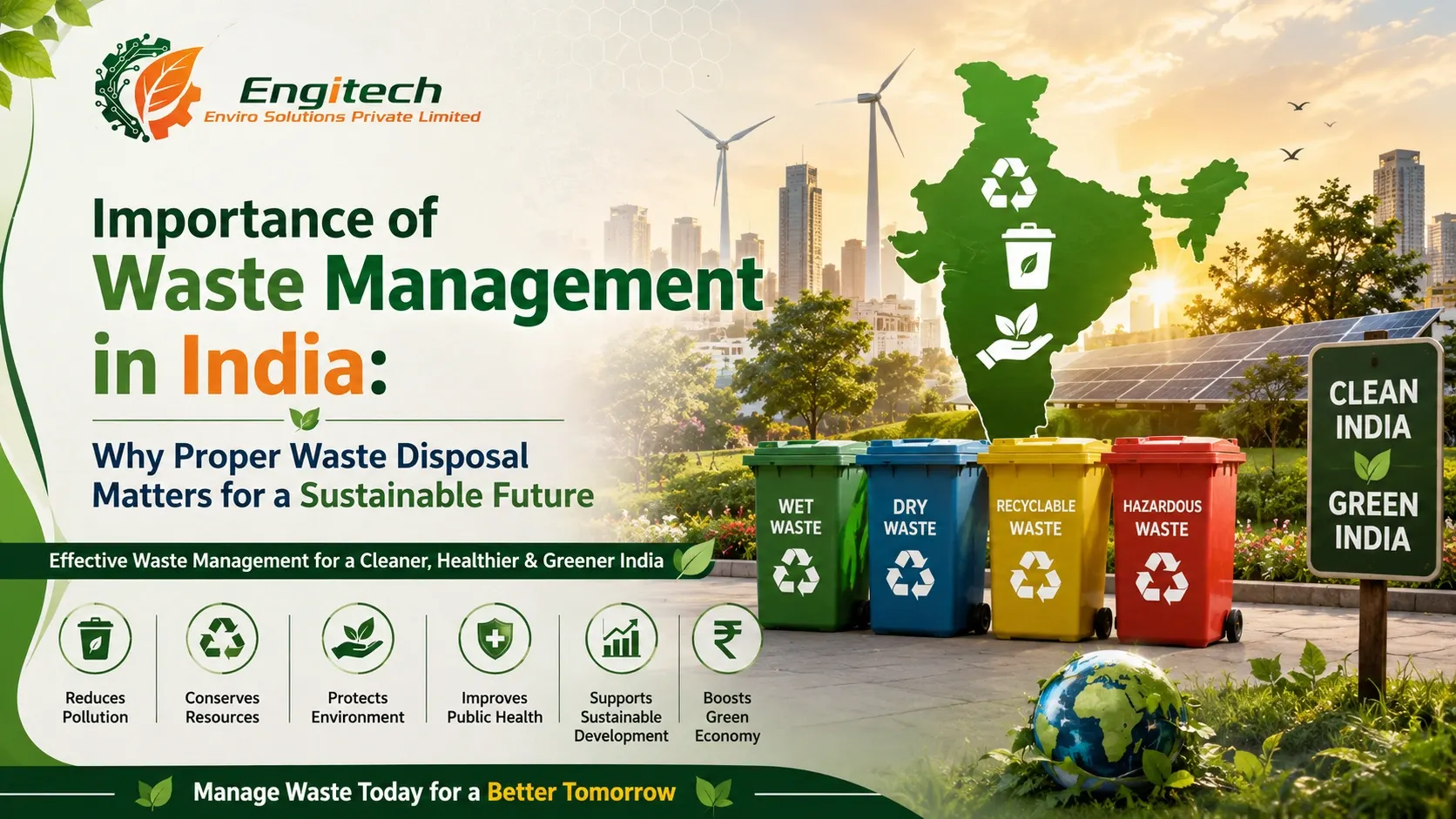
The importance of waste management in India has risen sharply in the past decade. As millions of tonnes of municipal waste are produced every year in India, waste management in India has become an important issue of national concern.
Modern technologies for waste management in India, like waste segregation, recycling units, waste composting, and waste-to-energy facilities, have been implemented in many big cities. However, waste management in India still needs improvement because of the rising number of urban populations.
Waste management in India in the coming years will depend greatly on participation from the community, use of technology, and more stringent environmental laws. All stakeholders should make joint efforts towards improving waste management in India.
The growing importance of waste management in India has prompted investments in advanced waste processing systems and awareness programs about the environment.
Why Is Waste Management Important?
Why is Waste Management Important in Today’s World?
Why is waste management important is one of the common questions being asked by many people.
It is important due to its influence on environmental protection, public health, and natural resource conservation. Learning about the reasons behind why is waste management important enables people to understand the significance of proper waste disposal.
The reasons why is waste management important include prevention of pollution, illness prevention, and conservation of natural resources, as without proper waste management, the waste may cause contamination in air, water, and soil.
One more reason why is waste management important is that it leads to fewer greenhouse gas emissions from landfills due to the growing importance of waste management.
There are numerous other reasons why is waste management important.
Need for Waste Management in Modern Society
There is an increasing need for waste management in any urban city or society. With an increase in consumption habits, there is an increasing amount of garbage generated, making it important to take appropriate measures for waste management.
Waste management is particularly important in cities with high population density because it helps avoid environmental pollution and ensure good health standards for people.
There is a pressing need for waste management in India due to rapid urbanization resulting in increased amounts of waste. There is a need for waste management in India as it will be able to curb environmental pollution.
Continual need for waste management emphasizes the adoption of waste treatment and recycling technologies.
Types of Waste Management
To better understand what is waste management, it is important to learn about the different types of waste management used worldwide.
1. Recycling
Recycling is one of the most effective types of waste management and helps convert waste materials into reusable products.
2. Composting
Composting is among the environmentally friendly types of waste management that transform organic waste into nutrient-rich compost.
3. Landfilling
Landfilling remains one of the traditional types of waste management used for non-recyclable waste materials.
4. Incineration
Incineration is one of the advanced types of waste management that reduces waste volume through controlled combustion.
5. Waste-to-Energy Systems
Modern types of waste management increasingly focus on recovering energy from waste materials.
These types of waste management contribute significantly to environmental protection and resource conservation.
Solid Waste Management and Environmental Sustainability
Among all types of waste management techniques available today, solid waste management can be considered one of the most important.
Solid waste management includes the process of collecting, transporting, treating, recycling, and disposing of solid wastes produced at homes, commercial enterprises, and industries.
An efficient system of solid waste management reduces reliance on landfills and increases resource recovery. Additionally, proper solid waste management prevents environmental pollution.
Successful solid waste management requires active public participation and the development of good infrastructure. Contemporary solid waste management systems pay great attention to waste sorting and recycling processes.
With increasing urbanization, solid waste management is becoming more and more essential.
Importance of Waste Management in India
As India continues to face many environmental problems, the importance of waste management becomes even greater.
The importance of waste management in India can be seen through the government’s efforts to ensure better sanitation and waste management in India. Initiatives such as Swachh Bharat Abhiyan and smart cities are aimed at enhancing the importance of waste management in India.
The increasing importance of waste management in India would make the industrial sector take up more environmentally friendly methods for treating waste. It is important to understand the importance of waste management in India to ensure that we play our part in environmental conservation.
The increasing importance of waste management in India will determine many future developments.
Why Should We Manage Waste?
“Why Should We Manage Waste Rather Than Dispose of It?”
The understanding of why should we manage waste allows people to realize the negative impacts of poor waste management on the environment. The first reason why should we manage waste is to limit pollution and protect natural resources.
The second reason why should we manage waste is to protect public health from possible environmental contamination. People who know why should we manage waste usually become active participants in recycling and waste management campaigns.
Overall, the issue of why should we manage waste reflects our responsibility for sustainability.
Waste Management Importance for Businesses and Communities
Waste management importance has a significant impact on individuals, companies, and even governments.
Waste management importance is evidenced by clean surroundings, better health among the general population, and a lower level of harm to the environment. The increasing recognition of waste management importance in businesses comes from the fact that it is associated with sustainability and improved business efficiency.
The importance of waste management prompts governments to make heavy investments in waste management importance systems in light of the increasing importance of waste management.
Benefits of Waste Management
There are numerous benefits of waste management that support environmental, economic, and social development.
Some major benefits of waste management include:
- Reduced environmental pollution
- Improved public health
- Resource conservation
- Increased recycling rates
- Lower greenhouse gas emissions
- Better community hygiene
- Sustainable economic growth
Apart from the advantages mentioned above, the benefits of waste management also ensure job opportunities within the recycling and waste processing industries. Most organizations understand that the benefits of waste management are vital to attain sustainability objectives.
The long-term benefits of waste management greatly ensure environmental protection and improved living standards.
Future of Waste Management in India
The future of waste management in India rests on innovation, technology, and awareness among the public. New methods of waste management in India have led to improved waste management through advanced techniques such as waste-to-energy conversion, and better waste collection technology.
Increased need for waste management in India will mean that there will be significant investment in the infrastructure needed for waste management. The reasons why is waste management important will lead to better waste management practices.
The importance of waste management in India continues to be an essential element for achieving environmental sustainability.
Conclusion
The first and foremost thing to know in order to ensure the creation of a better future lies in understanding the concept of what is waste management. The increasing importance of waste management, the increasing need for waste management, and its numerous benefits of waste management are very important aspects of sustainable development.
Engitech Enviro is focused on promoting novel ways for waste management that would be beneficial both in terms of ensuring environmental protection and resource conservation. Whether it is solid waste management, recycling, composting, or any other treatment method, proper waste management in India would definitely help in creating a sustainable future.
By understanding why should we manage waste our waste, why is waste management important, and why waste management importance is great, we would be able to move towards creating clean and green India.