Waste Management Equipment has turned into one of the greatest problems of contemporary cities, industries, commercial organizations, and municipalities. With the ever-increasing rate of population growth and the development of industries, the quantity of waste produced by individuals and organizations has increased drastically. Waste management has become much more than just picking up garbage, as today, waste management entails the use of cutting-edge technology and machines that will help manage waste efficiently and in an environmentally friendly way.
Contemporary waste management equipment relies heavily on the use of various types of innovative machines that facilitate waste management and enhance its effectiveness and sustainability. Regardless of the type of waste produced, whether it is municipal solid waste, industrial waste, organic waste, or recyclables, the advanced waste management machinery helps make cities and communities better off and more sustainable.
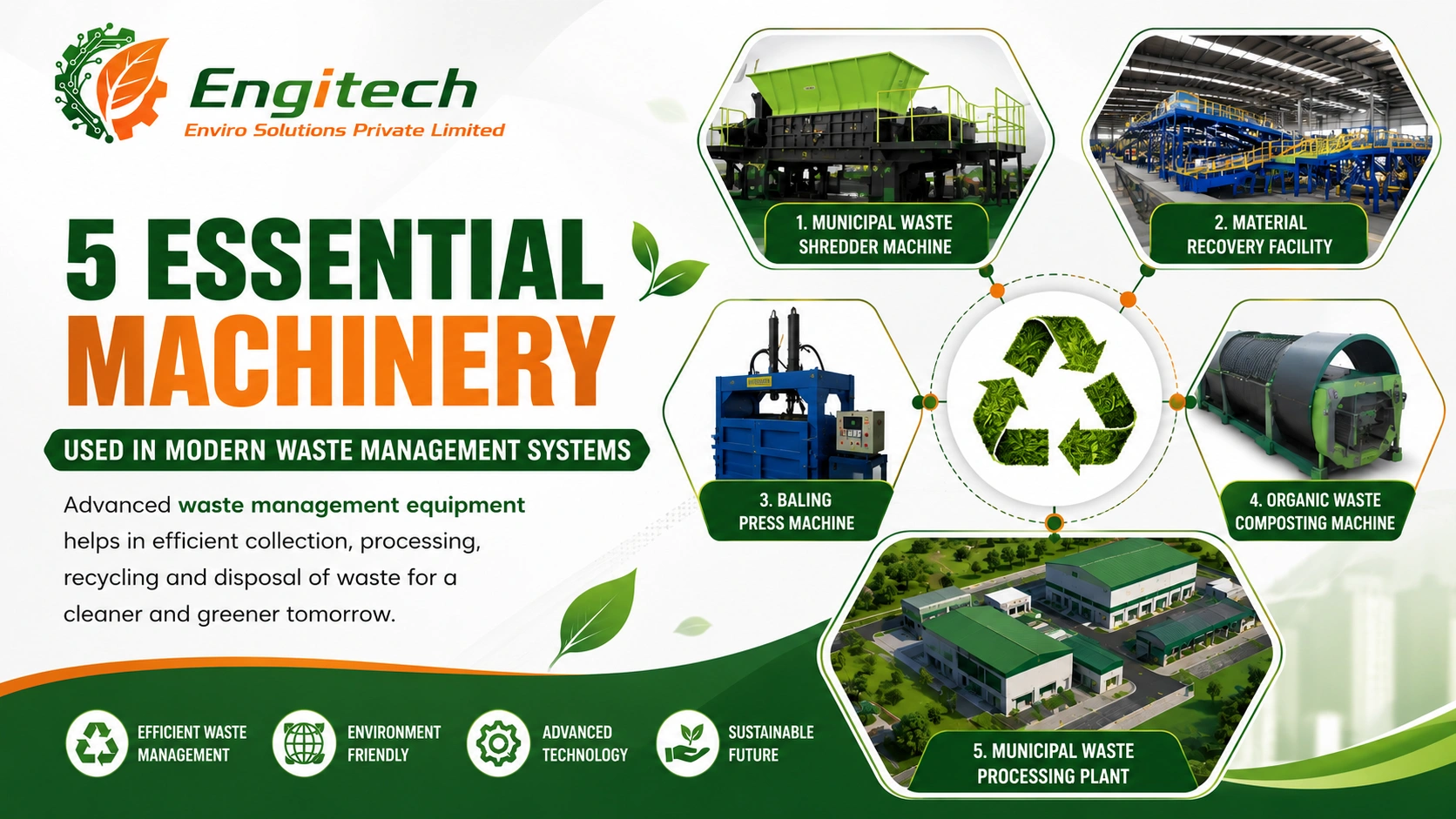
As part of our efforts at Engitech Enviro, we have developed innovative technologies and waste management machines that will help companies and organizations handle their waste effectively and in an environmentally sustainable way. This blog will focus on five machines that have become vital for effective waste management equipment.
Why Modern Waste Management Machinery Matters
Traditional waste disposal methods often lead to inefficient operations, increased environmental pollution, and higher operational costs. Modern waste management machines offer automated and efficient solutions that help organizations process larger quantities of waste while minimizing environmental impact.
Benefits of Advanced Waste Management Equipment
- Improved waste collection and segregation
- Reduced landfill burden
- Enhanced recycling efficiency
- Lower transportation costs
- Better worker safety
- Reduced environmental pollution
- Increased resource recovery
- Sustainable waste processing
Let’s explore the essential machinery transforming today’s waste management equipment industry.
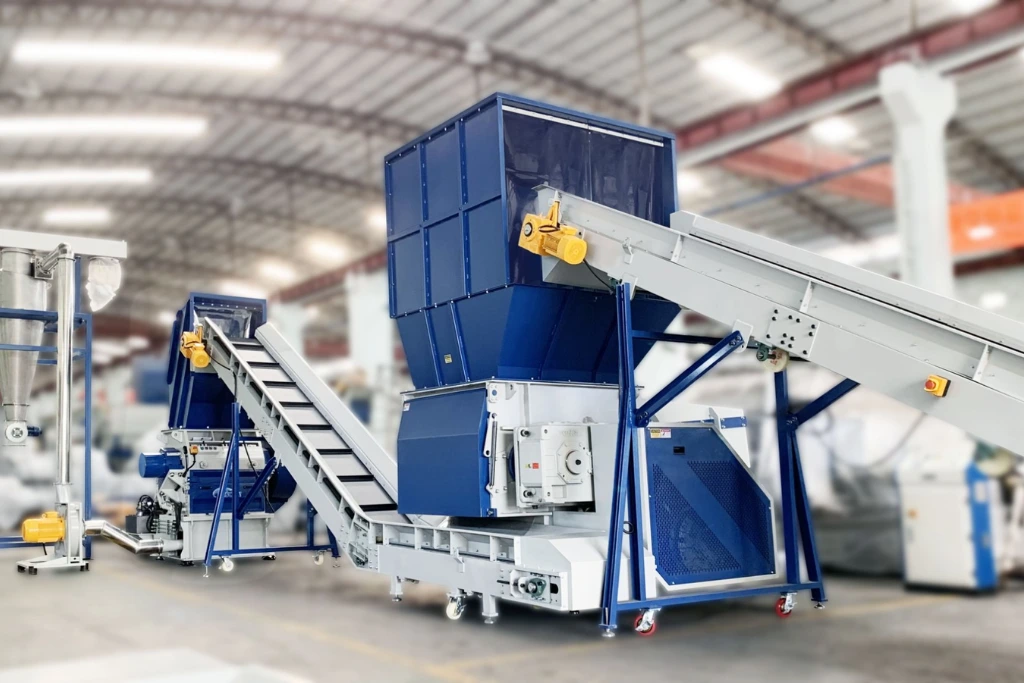
1. Municipal Waste Shredder Machine – The First Step in Efficient Waste Processing
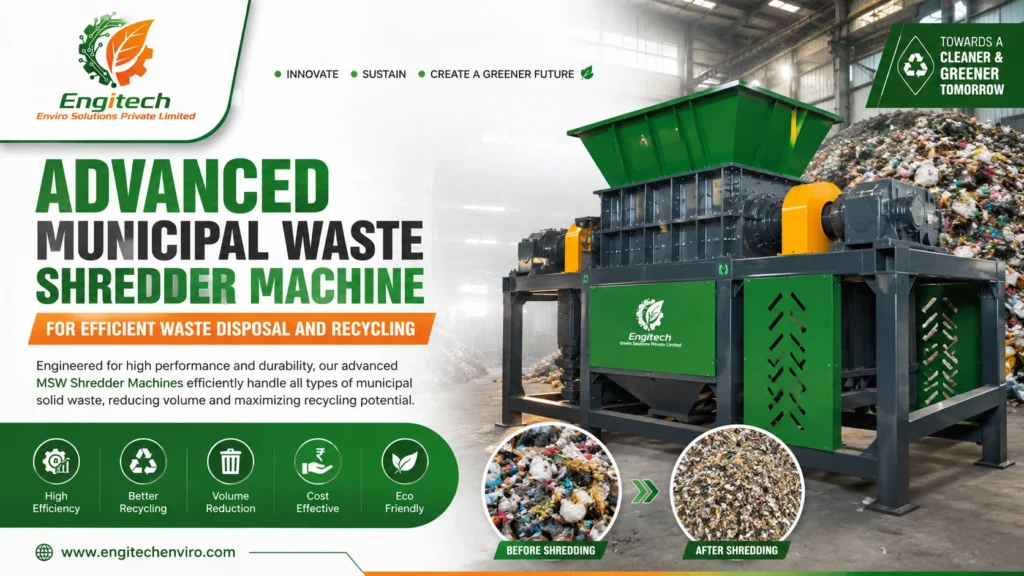
Municipal Waste Shredder Machine is one of the most important pieces of waste processing equipment found in Municipal Solid Waste Processing Plants. The first step involved in the treatment of waste before sorting, recycling, composting, or converting it into fuel is making the material smaller. In that regard, the function of the machines becomes crucial.
They are capable of breaking down municipal waste, plastics, textiles, cardboard, packing material, wooden items, and any other heavy material into smaller pieces.
How Municipal Waste Shredders Work
The machine uses powerful rotating blades and cutting shafts to break down large waste materials into smaller fragments. This improves material handling efficiency and enhances downstream processing operations.
Key Applications
- Municipal waste processing plants
- Recycling facilities
- RDF production plants
- Industrial waste treatment facilities
- Waste-to-energy projects
Benefits
- Reduces waste volume
- Improves recycling efficiency
- Enhances material recovery
- Lowers transportation costs
- Increases operational productivity
Municipal Waste Shredder Machines form the foundation of modern waste processing systems by preparing waste for further treatment and recycling.
2. Material Recovery Facility (MRF) – Maximizing Resource Recovery
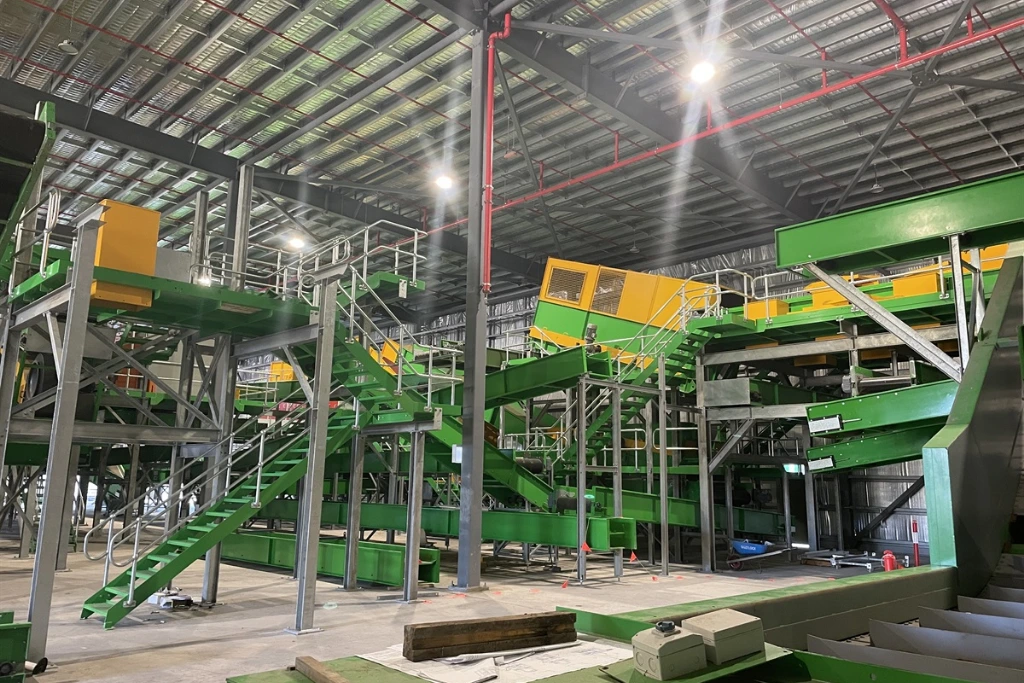
A Material Recovery Facility (MRF) is an elaborate system that is employed in order to recover recyclable materials from mixed waste. Material recovery facilities contribute significantly to modern waste management systems by making sure that materials are recycled and not disposed of in landfills.
The process involved in a material recovery facility entails different equipment, which includes conveyor systems, trommel screens, magnets, air separators, optical sorting devices, and manual sorting stations, among others.
Materials Recovered in an MRF
- Plastic waste
- Paper and cardboard
- Glass materials
- Ferrous metals
- Non-ferrous metals
- Packaging waste
Why Material Recovery Facilities Are Important
As recycling becomes increasingly important, MRFs help municipalities and industries recover valuable materials while reducing environmental impact.
Benefits
- Higher recycling rates
- Reduced landfill usage
- Increased resource recovery
- Improved waste segregation
- Better environmental compliance
A Material Recovery Facility is one of the most valuable investments in modern waste management equipment because it transforms waste into reusable resources.
3. Baling Press Machine – Efficient Handling of Recyclable Materials
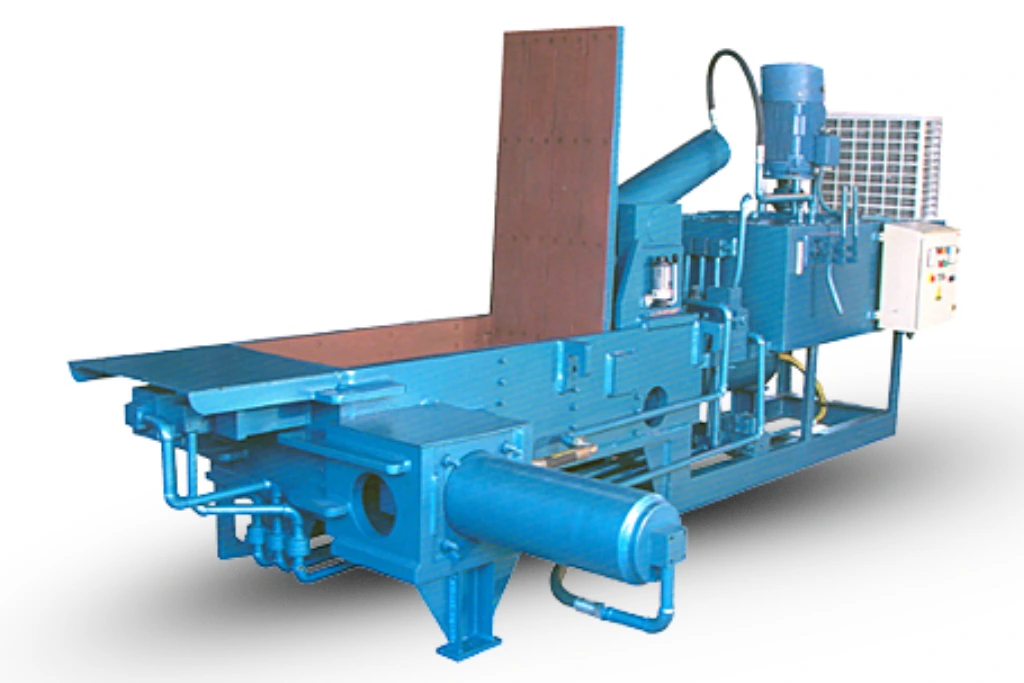
A baling press machine is a type of waste disposal machine that is used for compacting recyclable waste into easily manageable bundles. Baling press machines save storage space and transport costs.
Cardboard, paper, plastic bottles, aluminum cans, and packaging waste in large amounts can be compressed into tight bundles through the use of hydraulic pressure.
Industries Using Baling Press Machines
- Recycling plants
- Warehouses
- Manufacturing facilities
- Distribution centers
- Municipal waste processing facilities
Materials Processed
- Plastic waste
- Cardboard
- Paper waste
- Textile waste
- Metal cans
- Packaging materials
Benefits
- Saves storage space
- Reduces transportation expenses
- Improves recycling operations
- Generates additional revenue from recyclables
- Enhances facility cleanliness
Baling Press Machines have become an essential component of modern waste management equipment due to their ability to optimize recycling operations.
4. Organic Waste Composting Machine – Turning Waste into Valuable Compost
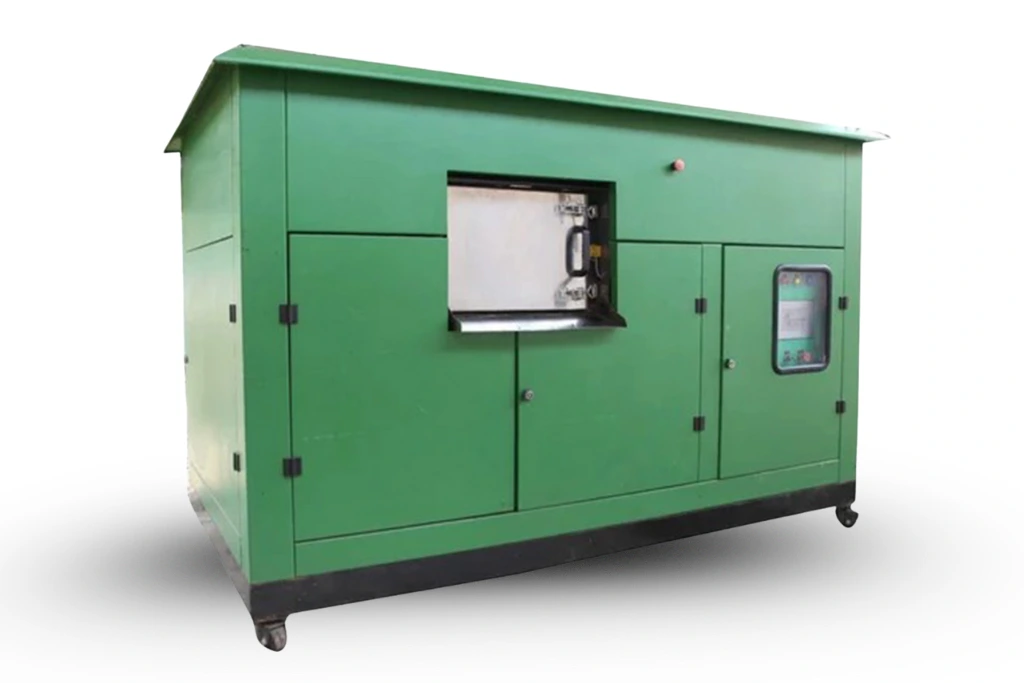
Organic waste forms an important part of municipal waste and commercial waste. Organic wastes such as food waste, vegetable waste, garden waste, agricultural waste, and other types of biodegradable waste can end up in the landfill, where they produce environmentally hazardous greenhouse gases.
The Organic Waste Composting Machine transforms organic waste into nutrient-filled compost.
Applications
- Municipal corporations
- Hotels and restaurants
- Residential societies
- Educational institutions
- Food processing industries
- Agricultural farms
Working Process
The machine accelerates the natural decomposition process by maintaining optimal temperature, moisture, and aeration levels. The result is high-quality compost that can be used for landscaping and agricultural applications.
Benefits
- Reduces landfill waste
- Produces organic fertilizer
- Eliminates foul odors
- Supports sustainable agriculture
- Reduces greenhouse gas emissions
Organic Waste Composting Machines play a vital role in achieving zero-waste management equipment and circular economy objectives.
5. Municipal Waste Processing Plant – A Complete Waste Management Solution
A Municipal Waste Processing Plant is a comprehensive facility that integrates multiple waste management equipment machines and technologies to handle large quantities of municipal solid waste efficiently.
These plants combine shredding, segregation, recycling, composting, RDF production, and waste treatment systems under one roof.
Components of a Municipal Waste Processing Plant
- Municipal Waste Shredder Machine
- Material Recovery Facility (MRF)
- Baling Press Machine
- Organic Waste Composting Machine
- Magnetic Separators
- Trommel Screens
- Conveyor Systems
- RDF Production Units
Major Functions
- Waste segregation
- Recycling operations
- Compost generation
- Resource recovery
- Alternative fuel production
- Sustainable waste disposal
Benefits
- Reduces landfill dependency
- Improves waste recovery rates
- Generates reusable resources
- Supports environmental sustainability
- Increases operational efficiency
Municipal Waste Processing Plants are becoming increasingly important as governments and industries seek long-term solutions for waste management equipment challenges.
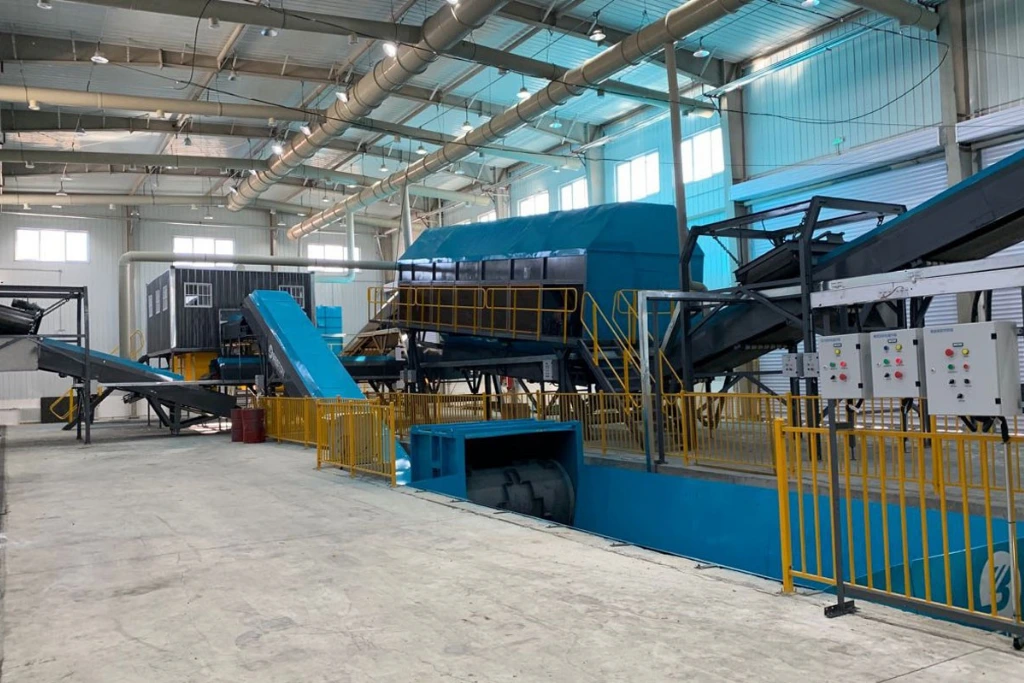
How These Machines Work Together in a Modern Waste Management Equipment System
A successful waste management equipment system requires multiple machines working in coordination.
Step 1: Waste Collection
Municipal waste is collected from residential, commercial, and industrial areas.
Step 2: Shredding
The Municipal Waste Shredder Machine reduces waste size for easier handling.
Step 3: Segregation
The Material Recovery Facility separates recyclable materials from mixed waste.
Step 4: Compaction
The Baling Press Machine compresses recyclables for transportation and storage.
Step 5: Composting
Organic waste is processed through Organic Waste Composting Machines.
Step 6: Final Processing
Remaining waste is treated or utilized within the Municipal Waste Processing Plant.
This integrated approach maximizes resource recovery while minimizing landfill waste.
The Future of Waste Management Equipment
The waste management equipment industry is rapidly evolving through automation and smart technologies.
Emerging Trends
- AI-based waste sorting systems
- Smart waste monitoring sensors
- Automated conveyor systems
- Electric waste collection vehicles
- IoT-enabled waste management solutions
- Advanced recycling technologies
These innovations are making waste management equipment operations more efficient, sustainable, and environmentally friendly.
The Growing Need for Advanced Waste Management Machinery
Traditional waste collection and disposal methods often involve manual labor, inefficient transportation, and limited processing capabilities. As waste volumes continue to increase, municipalities and industries require more efficient solutions to handle waste effectively.
Modern waste management equipment machines help organizations:
- Improve waste collection efficiency
- Reduce environmental pollution
- Increase recycling rates
- Minimize landfill usage
- Lower operational costs
- Improve worker safety
- Enhance public cleanliness
Let’s explore the most important machinery used in today’s waste management equipment industry.
1. Road Sweeper Machines – Keeping Roads and Public Areas Clean
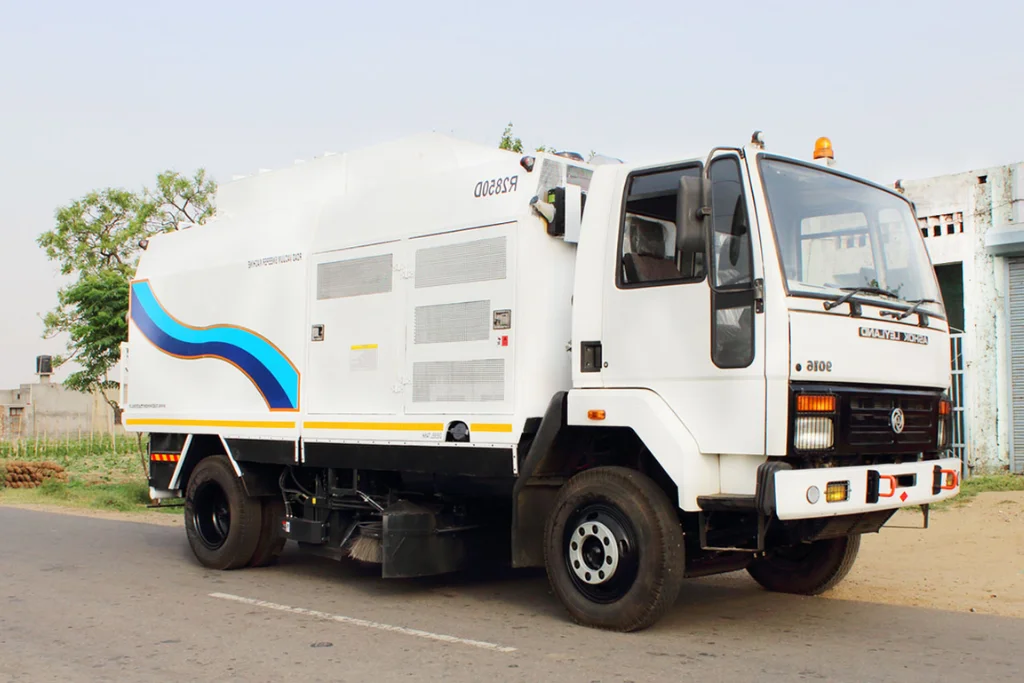
One of the vital pieces of equipment used in urban waste management is the Road Sweeper Machine. Roads, highways, industrial estates, airports, railway stations, shopping centers, among others, gather dust, fallen leaves, plastics, sand, paper, and various types of waste every day. Cleaning such large spaces manually takes a lot of time and costs.
Modern road sweepers have brushes that rotate, vacuum systems, water sprays, and trash collectors. They help to clean large spaces in minutes without creating dust pollution.
How Road Sweeper Machines Work
The side brushes gather debris toward the center of the machine. The main sweeping brush collects the waste, while the vacuum system sucks the material into a storage hopper. Water sprinklers suppress dust particles during operation, ensuring cleaner air quality.
Applications of Road Sweeper Machines
- Municipal road cleaning
- Industrial facility cleaning
- Airport runway maintenance
- Highway cleaning operations
- Railway station premises
- Smart city projects
- Educational campuses
- Commercial complexes
Benefits
- Faster cleaning operations
- Reduced manpower requirements
- Improved road safety
- Better urban hygiene
- Lower maintenance costs
Road sweepers are among the most widely used waste management equipment because they help maintain cleanliness at the source itself.
2. Garbage Compactor Machines – Reducing Waste Volume Efficiently
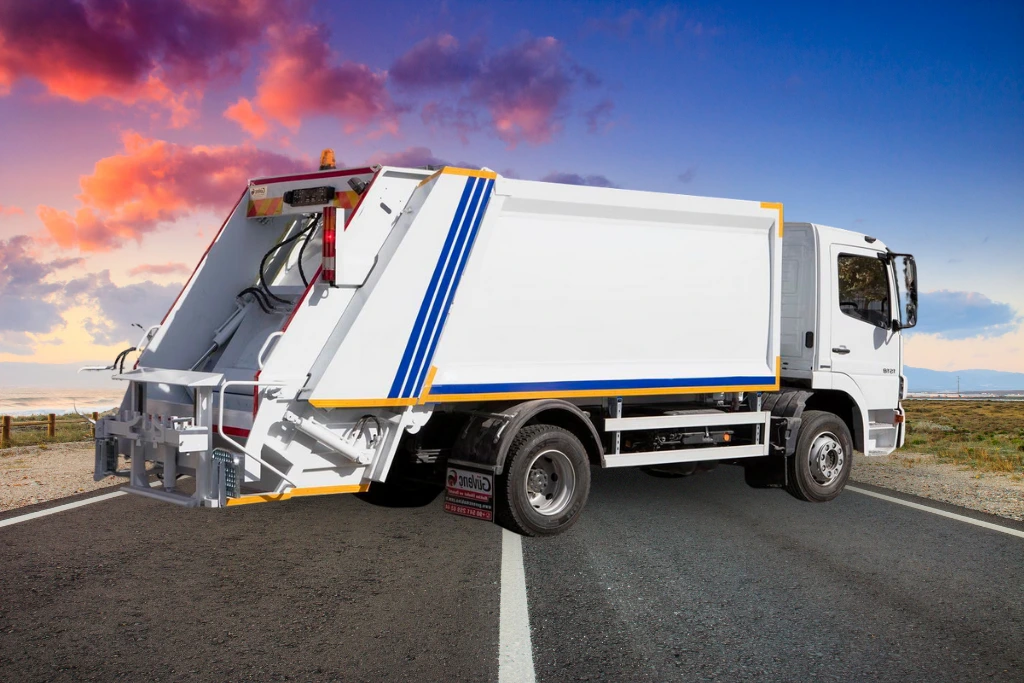
A garbage compactor/garbage disposal machine is an example of equipment that squeezes waste products into smaller volumes. The cost of transporting and storing waste is directly proportional to the volume of waste generated, which means compactors are significant in helping reduce the total cost of waste management equipment.
A garbage disposal machine/garbage disposal machine unit, such as a compactor, can help squeeze up to 70% of waste volumes.
How Garbage Compactors Work
Waste is loaded into the machine, where hydraulic systems apply high pressure to compress the material into dense blocks. The compressed waste occupies less space and can be transported more economically.
Types of Waste Handled
- Municipal solid waste
- Plastic waste
- Packaging materials
- Cardboard waste
- Commercial waste
- Industrial waste
Common Industries Using Compactors
- Municipal corporations
- Shopping malls
- Hotels
- Hospitals
- Manufacturing plants
- Warehouses
- Food processing units
Advantages
- Reduces transportation frequency
- Saves landfill space
- Improves waste storage efficiency
- Lowers fuel consumption
- Reduces operational costs
Compactors have become a vital component of modern waste management equipment because they help optimize waste handling logistics.
3. Waste Shredders – Essential for Recycling and Waste Processing
Waste shredders are among the most important machines in recycling and waste processing facilities. These machines break down bulky waste materials into smaller, manageable particles.
Without shredding, many waste materials would be difficult to process, recycle, or transport efficiently.
How Waste Shredders Operate
Powerful cutting blades rotate at high speeds to tear and shred waste into smaller pieces. Depending on the application, shredders may have single shafts, dual shafts, or multiple cutting systems.
Materials Processed
- Plastic waste
- Rubber waste
- Textile waste
- Wooden waste
- Paper waste
- Electronic waste
- Packaging materials
- Industrial scrap
Importance of Recycling
Shredded materials are easier to sort, process, and recycle. This increases recycling efficiency and improves the recovery of reusable materials.
Key Benefits
- Reduces the waste size
- Improves recycling operations
- Increases material recovery rates
- Reduces transportation costs
- Enhances processing efficiency
Waste shredders are considered indispensable waste management equipment for organizations focused on sustainability and recycling.
4. Refuse Collection Vehicles – The Backbone of Waste Transportation
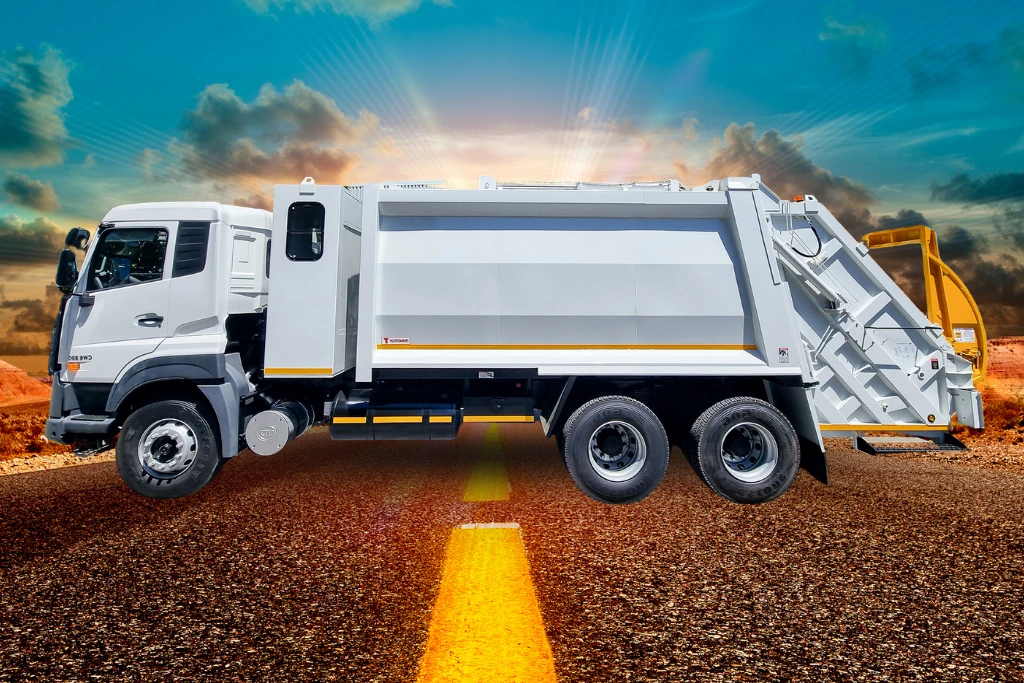
Collecting waste from homes, offices, industries, and public areas is a major challenge. Refuse collection vehicles are specially designed trucks used to transport waste safely and efficiently.
These vehicles form a crucial link between waste generation points and waste processing facilities.
Features of Modern Collection Vehicles
Modern collection trucks include:
- Hydraulic lifting systems
- Automatic bin loading mechanisms
- High-capacity storage chambers
- Leak-proof construction
- Compaction systems
Types of Waste Collected
- Household waste
- Commercial waste
- Organic waste
- Recyclable waste
- Industrial waste
Benefits
- Faster waste collection
- Improved worker safety
- Reduced waste spillage
- Better route efficiency
- Lower operating costs
Without these specialized vehicles, the waste management equipment chain would be incomplete.
5. Waste Disposal and Processing Machines – Converting Waste into Resources
The final stage of modern waste management involves treatment, recycling, and disposal. Advanced waste disposal machines help process waste in environmentally responsible ways.
These systems are designed to recover valuable resources while minimizing landfill dependency.
Common Waste Disposal Machines
Baling Machines
Baling machines compress recyclable materials such as cardboard, plastic, and paper into compact bundles for easier transportation and storage.
Composting Machines
Organic waste can be converted into nutrient-rich compost through controlled decomposition processes.
Material Recovery Facilities (MRF)
These facilities use automated sorting systems to separate recyclable materials from mixed waste streams.
Waste Segregation Systems
Advanced conveyors, magnets, air classifiers, and optical sorters help segregate waste based on material type.
Benefits of Waste Disposal Machinery
- Promotes recycling
- Reduces landfill burden
- Generates reusable materials
- Supports circular economy goals
- Improves environmental sustainability
The role of advanced waste disposal machines continues to grow as governments and industries seek eco-friendly waste treatment solutions.
How Modern Waste Management Equipment Supports Smart Cities
Smart cities require efficient infrastructure for maintaining cleanliness and sustainability. Advanced waste management equipment supports smart city initiatives through:
Automated Waste Collection
Sensor-equipped bins notify collection teams when waste levels reach capacity.
GPS-Enabled Fleet Management
Collection routes can be optimized to reduce fuel consumption and operational costs.
AI-Based Waste Sorting
Artificial intelligence improves recycling accuracy and minimizes contamination.
Real-Time Monitoring
Operators can track machine performance and maintenance requirements remotely.
These technologies help cities improve efficiency while reducing environmental impact.
Why Invest in High-Quality Waste Management Machinery?
Organizations that invest in advanced waste management machinery gain several long-term benefits:
Environmental Benefits
- Reduced pollution
- Lower greenhouse gas emissions
- Increased recycling rates
- Better resource conservation
Financial Benefits
- Reduced labor costs
- Lower transportation expenses
- Increased operational efficiency
- Faster return on investment
Social Benefits
- Cleaner communities
- Improved public health
- Better workplace safety
- Enhanced urban aesthetics
Conclusion
The future of sustainable waste management lies in the adoption of advanced waste management machines and new technologies that will facilitate waste treatment. Examples of some of these waste management machines include the Municipal Waste Shredder Machine, the Material Recovery Facility, the Baling Press Machine, the Organic Waste Composting Machine, and the Municipal Waste Processing Plant, among others.
These technologies play an important role in making it possible to manage waste sustainably by improving efficiency in recycling processes, reducing reliance on landfills, recovering valuable resources, and promoting environmental sustainability. No matter whether your company is involved in municipal waste management, industrial waste, or even managing recyclable materials, having the right waste management machines will certainly be advantageous.
Engitech Enviro is dedicated to providing you with the best waste management machines to ensure that our cities and industries remain green for years to come.